
School Security Solutions: A Complete Guide to Protecting Educational Facilities
- SECURITY CAMERAS
- Aug 10
- 4 min read

Ensuring the safety of students, staff, and visitors is a top priority for any educational institution. Schools face unique challenges when it comes to security. They must balance an open, welcoming environment with the need to protect against potential threats. In this guide, I will walk you through the essential aspects of school security solutions. You will learn about the types of security systems available, how to choose the right ones, and practical steps to implement them effectively.
Understanding School Security Solutions
School security solutions encompass a wide range of tools and strategies designed to protect school property and the people within it. These solutions include physical barriers, electronic surveillance, access control, emergency communication systems, and more. The goal is to create a safe environment that deters unauthorized access, prevents incidents, and allows for quick response if emergencies occur.
When considering school security solutions, it is important to think about the specific needs of your school. Factors such as the size of the campus, the number of students, the layout of buildings, and the surrounding neighborhood all influence the best approach. A comprehensive security plan combines multiple layers of protection to cover all potential vulnerabilities.
Some common components of school security solutions include:
Surveillance cameras to monitor entrances, hallways, and outdoor areas.
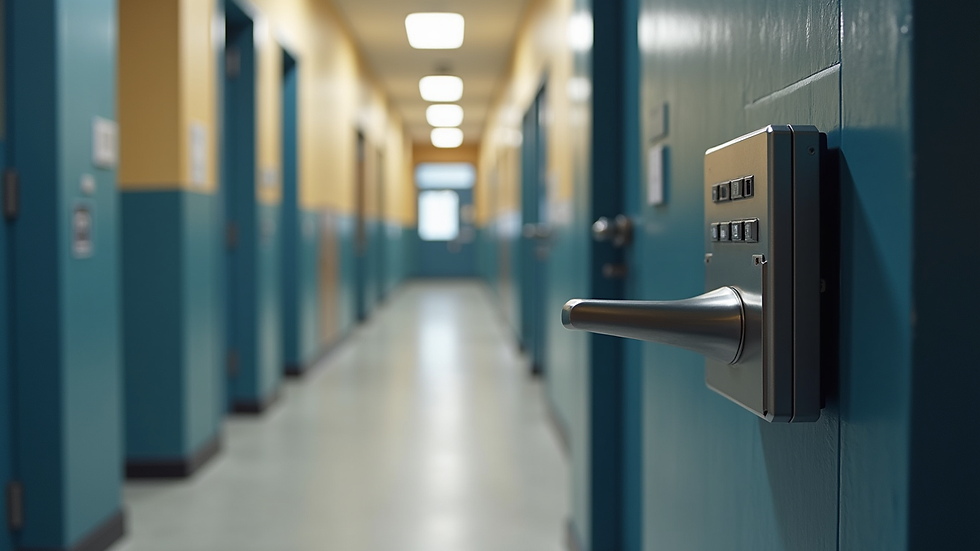
Access control systems that restrict entry to authorized personnel only.
Intrusion detection alarms to alert staff of unauthorized access.
Emergency communication systems for rapid notification during incidents.
Visitor management systems to track and control guest access.
Physical barriers such as fences, gates, and secure doors.
By integrating these elements, schools can build a robust security framework that enhances safety without disrupting daily activities.

Key Benefits of Implementing School Security Solutions
Investing in school security solutions offers several important benefits. First and foremost, it protects lives. A well-designed security system can prevent unauthorized individuals from entering the campus and reduce the risk of violence or theft. It also helps staff respond quickly and effectively during emergencies.
Beyond safety, security systems promote peace of mind for parents, teachers, and students. Knowing that the school is secure fosters a positive learning environment. It also supports compliance with local regulations and insurance requirements.
Other benefits include:
Deterrence of criminal activity: Visible security measures discourage potential intruders.
Improved incident documentation: Surveillance footage provides evidence if incidents occur.
Streamlined visitor management: Systems help verify identities and control access.
Enhanced communication: Emergency alerts keep everyone informed and coordinated.
Cost savings: Preventing incidents reduces potential damage and liability costs.
These advantages make school security solutions a critical investment for any educational institution.
What Type of Security Is Most Needed for Schools?
Determining the most needed type of security depends on the specific risks and layout of the school. However, some security measures are universally important:
Access Control
Controlling who enters the school is fundamental. Access control systems use key cards, biometric scanners, or PIN codes to allow only authorized individuals inside. This reduces the chance of strangers gaining entry.
Surveillance Cameras
Cameras provide continuous monitoring of key areas such as entrances, hallways, playgrounds, and parking lots. They help detect suspicious behavior and provide valuable evidence if incidents occur.
Emergency Communication Systems
These systems enable rapid alerts to staff, students, and emergency responders. They can include intercoms, mass notification apps, and panic buttons.
Visitor Management
A system to register and track visitors ensures that all guests are accounted for and monitored while on campus.
Physical Security Measures
Fences, gates, and secure doors create physical barriers that prevent unauthorized access. Proper lighting also enhances visibility and safety.
Training and Policies
Technology alone is not enough. Staff and students must be trained on security protocols and emergency procedures. Clear policies help maintain a secure environment.
By combining these elements, schools can address the most critical security needs effectively.

How to Choose the Right Security Systems for Your School
Selecting the right security systems requires careful planning and assessment. Here are some steps to guide the process:
Conduct a Security Assessment
Evaluate the current security situation. Identify vulnerabilities, potential threats, and areas that need improvement.
Set Clear Objectives
Define what you want to achieve with your security system. Objectives might include preventing unauthorized access, improving emergency response, or monitoring specific areas.
Consider Budget and Resources
Determine how much funding is available and what resources can be allocated for installation and maintenance.
Research Available Technologies
Explore different security products and solutions. Look for systems that integrate well and offer scalability.
Consult with Security Experts
Engage professionals who specialize in school security solutions. They can provide valuable insights and recommend tailored options.
Plan for Training and Maintenance
Ensure staff will be trained to use the systems properly. Schedule regular maintenance to keep equipment functioning optimally.
Prioritize User-Friendly Systems
Choose solutions that are easy to operate and manage. Complex systems can lead to errors or underuse.
By following these steps, schools can select security systems that meet their unique needs and provide reliable protection.
Implementing and Maintaining Effective School Security
Installing security systems is only the first step. Ongoing management and maintenance are essential to keep the systems effective. Here are some best practices:
Regular Testing
Test alarms, cameras, and communication devices frequently to ensure they work correctly.
Update Software and Firmware
Keep all digital systems updated to protect against vulnerabilities.
Review Security Policies
Periodically review and update security protocols to reflect new threats or changes in the school environment.
Engage the School Community
Involve teachers, students, and parents in security awareness programs. Encourage reporting of suspicious activity.
Coordinate with Local Authorities
Establish relationships with police and emergency responders. Share your security plans and conduct joint drills.
Document Incidents and Responses
Keep detailed records of any security incidents and how they were handled. Use this information to improve future responses.
Effective implementation and maintenance ensure that your investment in school security solutions continues to provide protection over time.
Moving Forward with Confidence in School Security
Security is an ongoing commitment. By adopting comprehensive school security solutions, schools can create safer environments that support learning and growth. Remember, the key is to combine technology, policies, and community involvement. This holistic approach strengthens defenses and builds trust.
If you want to explore advanced options and professional guidance, consider consulting with experts who specialize in security systems for schools. They can help design and implement solutions tailored to your specific needs.
Investing in school security is investing in the future. With the right systems in place, schools can focus on what matters most - educating and nurturing the next generation.


Comments